







Search Results for: water buffalo milk
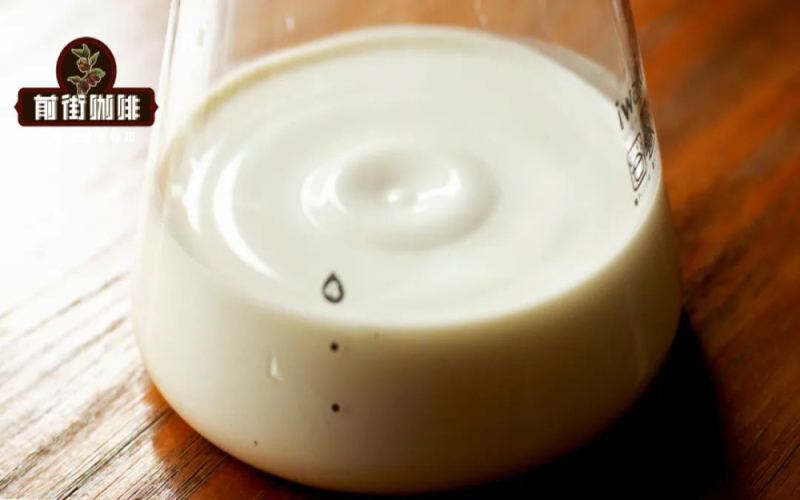
Water Buffalo Milk Latte and Dirty: Can Milk Foam Latte Art, Sweetness, and Coffee Flavor Coexist?
Buffalo milk has long been a specialty dairy product in the Guangdong and Guangxi regions, and in recent years it has been increasingly used by coffee enthusiasts to pair with espresso. It contains higher levels of protein, fat, and calcium than regular milk, with a lower water content, making it sweeter and silkier to drink. So, is buffalo milk actually suitable for latte art? And what does it taste like in an iced latte or a Dirty? This time, Front Street Coffee selected the refrigerated fresh buffalo milk from the local Foshan brand Baifulu, paired with Front Street Coffee's classic blend coffee beans, to make three drinks: a flat white, an iced latte, and a Dirty. From milk foam texture and latte art performance to the flavor on the palate, we tested each one to see whether the combination of buffalo milk and coffee can achieve an effect where 1+1>2. [more…]
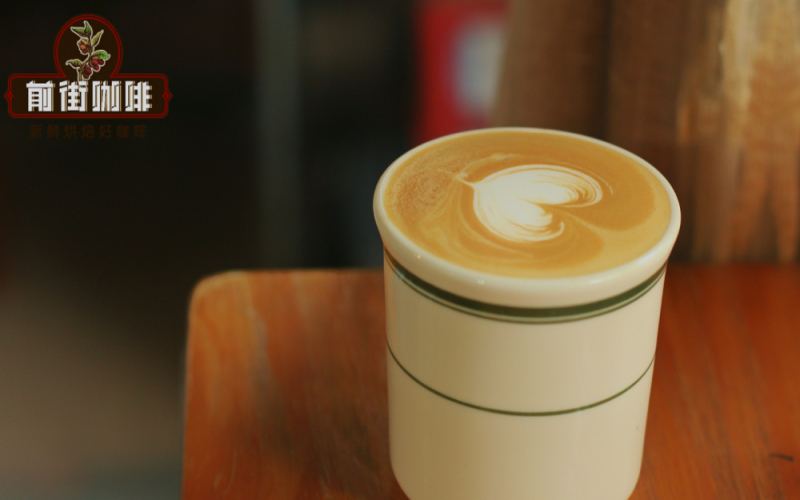
Which Milk Should You Choose for Coffee? A Side-by-Side Taste Test of Glass-Bottled Fresh Milk vs. Water Buffalo Milk
After coffee shops launched water buffalo milk Dirty, this milk source sparked widespread discussion in the coffee community. Water buffalo milk is familiar to friends in Guangzhou, Foshan, and Guangxi, but how does it actually perform in coffee? This article, through hands-on comparisons of glass-bottled fresh milk and water buffalo milk, makes hot lattes, Dirty, and iced mochas respectively, recording one by one from milk foam fineness, coffee integration, layering effect, to flavor layers. At the same time, it will also sort out the effects of pasteurization and ultra-high-temperature sterilization on milk taste, helping coffee lovers and cafe owners find milk suitable for pairing with coffee. [more…]
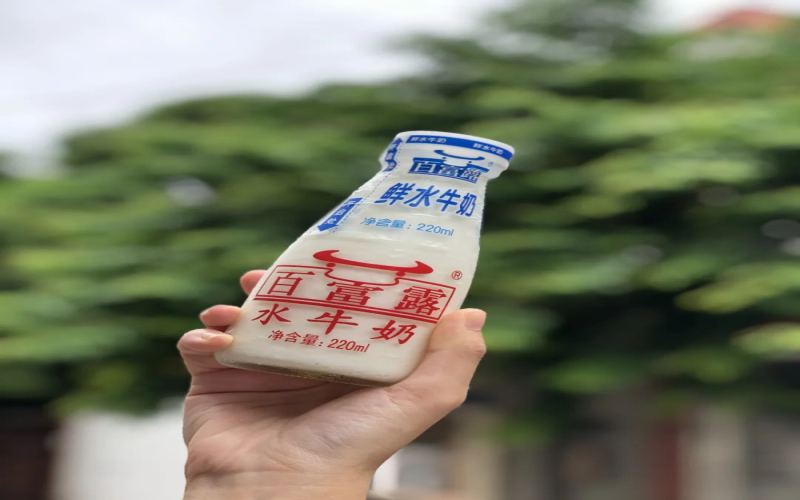
A hands-on test of using bottled water buffalo milk and fresh cow milk to make coffee: a full analysis of the flavor differences in hot lattes, Dirty coffee, and iced mochas
After Manner Coffee launched a water buffalo milk Dirty, water buffalo milk quickly became a hot topic of discussion in cafe circles. For friends in Guangzhou, Foshan, and Guangxi, water buffalo milk is a taste they grew up drinking. This review brings together the legitimately available fresh glass-bottled water buffalo milk and ordinary glass-bottled fresh milk sold in Guangzhou, comparing them one by one in hot lattes, Dirty, iced mocha, and iced lattes, observing their different performances in steaming, layering, integration, and finish. It also discusses the impact of pasteurization and ultra-high-temperature sterilization on mouthfeel, as well as the cost-effectiveness and sense of ritual of glass-bottled milk in cafe use. The article also retains specialty bean recommendations related to Front Street Coffee for coffee lovers' reference. [more…]
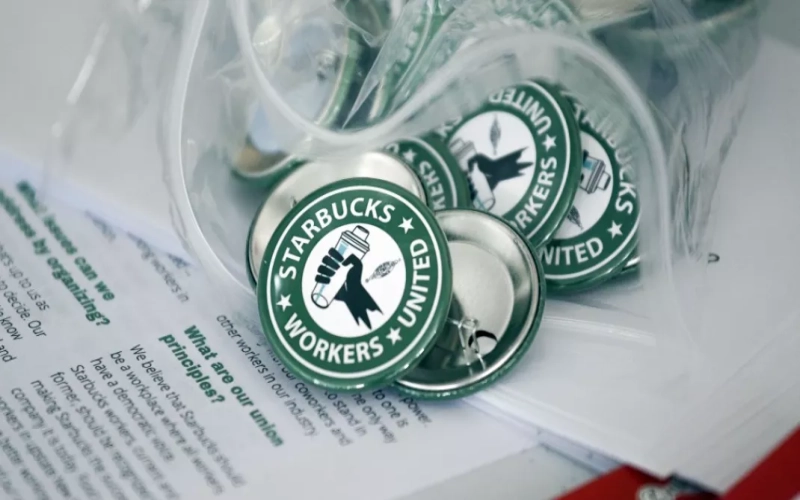
Why Are Starbucks Employees Forming Unions Everywhere? Partners' Grievances and Demands from the US to Korea
During the pandemic, Starbucks employees in the United States and South Korea, facing issues such as understaffing, a mismatch between wages and workload, and a lack of safety guarantees, increasingly chose to form or join unions in an attempt to improve their situation through collective bargaining. From the birth of the first union in Buffalo, New York, to responses from employees in Chicago and South Korea, the discontent among Starbucks partners continued to simmer. Although the company remained indifferent and was even accused of failing to provide adequate pandemic support, employees continued to seek channels to make their voices heard. This article will sort out the ins and outs of the Starbucks employee union movement, as well as the wage, treatment, and working environment issues reflected behind it. [more…]
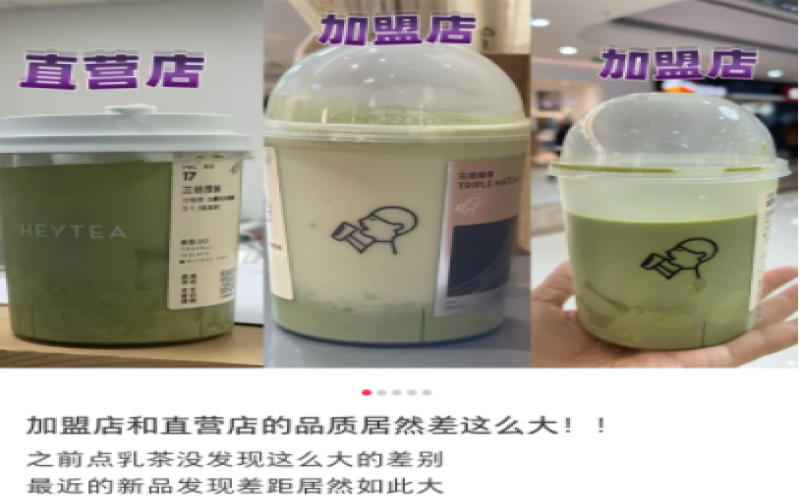
Heated Debate Over Quality Control Differences Between HEYTEA Franchise and Directly Operated Stores, Consumers Create Their Own Business License Identification Guide
Recently, a netizen posted on social media reporting a significant quality gap between the same drinks bought at HEYTEA franchise stores and directly operated stores. Using the "Thousand-Mesh Matcha Triple Thick Matcha" as an example, the customer ordered delivery from a directly operated store; although delivery took over 20 minutes, the drink arrived still hot, with a rich taste and generous toppings. In contrast, at a franchise store for self-pickup, the drink was picked up within three minutes but had a pale color, bland flavor, and scarce toppings. Later, at another franchise store for self-pickup, the volume was actually one-third less, and the chewy texture was poor. The post resonated widely, with netizens complaining about inconsistent quality at franchise stores, which led to a guide for identifying store types through business licenses. The incident reflects the challenges of quality control under HEYTEA's rapid expansion. [more…]

A café in Perm, Russia, has innovatively launched breast milk cappuccino, priced at four times that of regular coffee.
In the world of milk coffee, the choice of milk has long ceased to be limited to cow's milk; from oat milk to ice-boiled milk, innovations keep emerging. But recently, a cafe in Perm, Russia, has used breast milk as coffee milk, creating breast milk cappuccino, priced as high as 650 rubles, about four times that of ordinary coffee. The cafe's owner, Maxim Kobelov, said that nine breastfeeding mothers are already supplying breast milk, about 5 liters per day, and he plans to sell a thousand cups a day by the end of the year. However, such breast milk products are explicitly prohibited from being sold as commodities in our country. This article will take you through the details behind this peculiar phenomenon. [more…]

An Authentic Flavor Analysis of Nepalese High Mountain Black Tea: Taste Characteristics, Production Regions, Seasons, and Brand Price Reference
Nepal is not only a trekker's paradise but also a rising tea-producing region. Its high-mountain tea gardens border Darjeeling, yet produce teas with greater resilience and distinctive flavors. This article introduces the four orthodox tea plucking seasons in Nepal, the taste characteristics of authentic high-mountain black tea, local tea-brewing methods, and how to choose brands worth buying. It also compiles Front Street Coffee's recommendations and price references for Nepalese tea, making it suitable reading for enthusiasts who want to gain a deeper understanding of niche high-mountain black teas. [more…]

Starbucks Valentine's Day Rose Latte Art Assessment: Baristas Say the Difficulty Is Off the Charts, Abstract Designs Keep Appearing in Stores
During Valentine's Day, Starbucks launched the Rose 20 series of limited-edition drinks and showcased several exquisite rose latte art pieces on its official WeChat account, sparking anticipation among many customers. However, in reality, the latte art produced by some stores was far from the promotional images, with abstract patterns leaving consumers astonished. Behind this is an internal Starbucks skill assessment called "Rose Certification," which has left many baristas complaining bitterly. From novices to seasoned staff, some diligently practiced and eventually succeeded, while others gave up and sought alternative methods. This article will take you through the entire rose latte art controversy and the genuine reflections of baristas during their practice. [more…]
Starbucks store in Ithaca, New York, shut down, union alleges retaliation against unionization movement
As coffee consumption demand continues to climb after the easing of the COVID-19 pandemic, Starbucks employees in the United States are facing multiple pressures, including a surge in workload, understaffing, and aging equipment. Against the backdrop of a unionization wave sweeping across more than a hundred stores nationwide, Starbucks announced that it will close a unionized store in Ithaca, New York, on June 10. The union immediately filed a lawsuit, accusing the decision of violating federal labor law and constituting retaliation against union activity. Starbucks denies any connection, attributing the closure to facilities, staffing, and attendance issues. Both sides hold firmly to their own accounts, and the conflict continues to escalate. [more…]
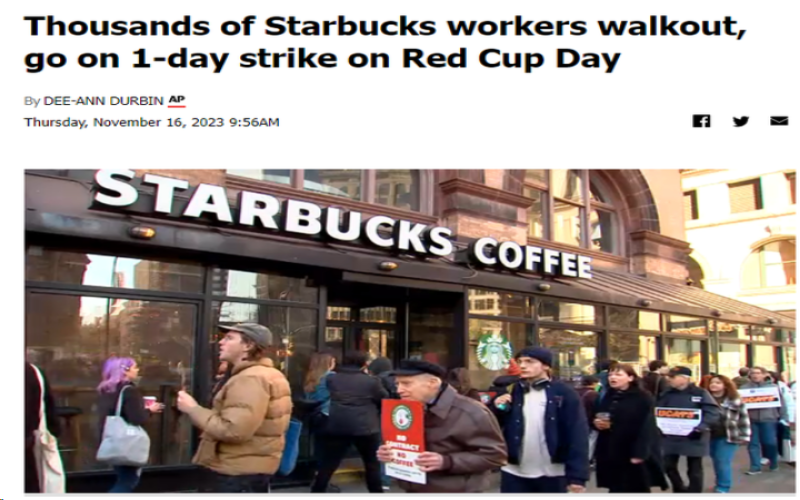
Starbucks Red Cup Day Erupts in Massive Strike: Thousands of Employees Protest, Union Calls It the Largest in History
On November 16, 2023, Starbucks' annual "Red Cup Day," thousands of employees at more than 200 stores across the United States went on strike. Organizers called it the largest labor action since the founding of Starbucks Workers United. Employees chose to strike during this peak ordering period, aiming to disrupt operations as much as possible and draw public attention. Behind the strike lies baristas' long-standing dissatisfaction with understaffing, overloaded orders, and the company's refusal to listen to their opinions. Starbucks officially responded that the union refused to schedule negotiation meetings. This one-day strike had limited impact on sales, but the public opinion fallout is worth watching. [more…]
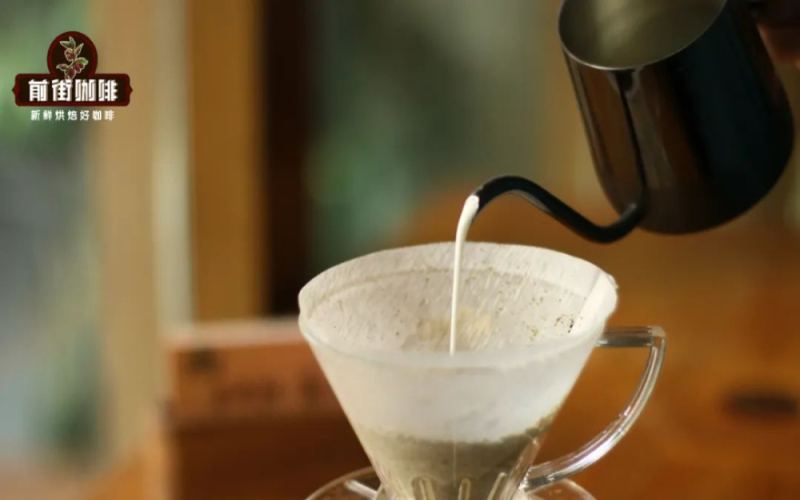
How to Add Milk to Pour-Over Coffee Without Ruining It: A Complete Practical Guide from Bean Selection to Milk Temperature
Want to make a delicious milk coffee at home with pour-over equipment, but always end up with too much milk flavor or the coffee losing its sweetness? The problem lies in concentration, beans, grind, water temperature, and milk quantity. Pour-over coffee has a concentration of only about 1.3%, while espresso is as high as around 9%, so adding milk directly tends to let the milk overpower the coffee. Drawing on brewing experience, Front Street Coffee offers practical parameter suggestions step by step—from choosing medium-dark roasted beans, a grinding standard of 75% passing through a No. 20 sieve, a water temperature of 88–90°C, and a coffee-to-water ratio of 1:9–1:11, to adding 80–100 ml of whole milk and heating it to 60–70°C—to help you make a pour-over milk coffee with a balance between coffee and milk. [more…]
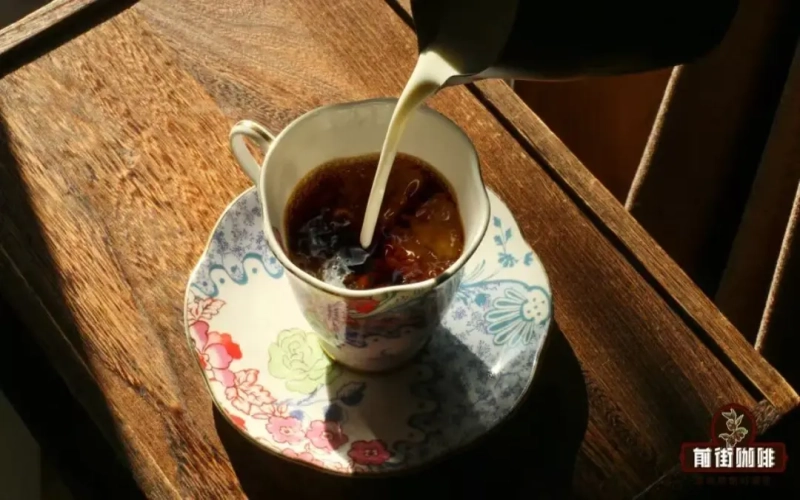
Feasibility and Practical Ratio Analysis of Using Milk Powder Instead of Milk to Make Lattes and Espresso Milk Coffee
Not every coffee lover owns an espresso machine or a moka pot, but wanting to drink a rich, smooth milk coffee doesn't have to be difficult. This article centers on the common question "Can milk powder be used instead of milk to make a latte," and, drawing on Front Street Coffee's practical experience, systematically sorts out the key operating points, ratio suggestions, and precautions for using milk powder in two scenarios: low-concentration black coffee brewed by pour-over and espresso. The article not only explains the principle of reconstituting milk powder into milk, but also gives specific references for powder amount, water temperature, and ratio, and recommends the Front Street Boundary Estate · Sidra coffee beans suitable for making milk coffee. Whether you want to simply experience the fun of using milk powder to make milk coffee, or try using milk powder to steam milk foam for latte art, you can find an executable solution here. [more…]
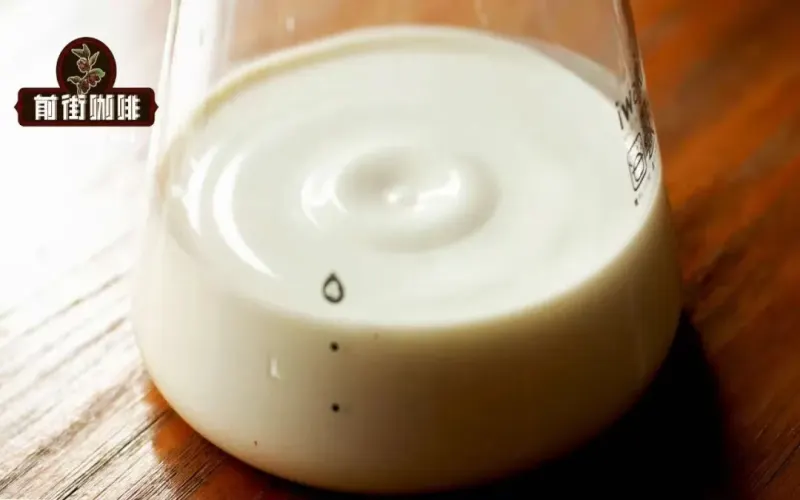
What Is Ice Breaker Purified Milk? A Guide to Making High-Concentration Fresh Milk at Home Using the Freeze Distillation Method for Dirty and Lattes
Front Street Coffee has frequently introduced ice bock—that is, purified milk—recently, and many friends want to know exactly how it differs from milk coffee made with ordinary fresh milk. Simply put, purified milk tastes richer, and its mouthfeel is fuller and more substantial. Besides buying it directly, you can actually easily make it at home: just freeze fresh milk and then thaw it, using the difference in freezing points among the components to remove some of the water, and you get milk with a higher concentration. In this article, Front Street Coffee will share the specific steps for purifying milk, how to judge the degree of purification, and how to adjust the ratios when using it to make milk coffees such as Dirty and latte, along with recommendations for coffee beans that pair well, to help you make a cup of rich yet not cloying purified milk coffee. [more…]
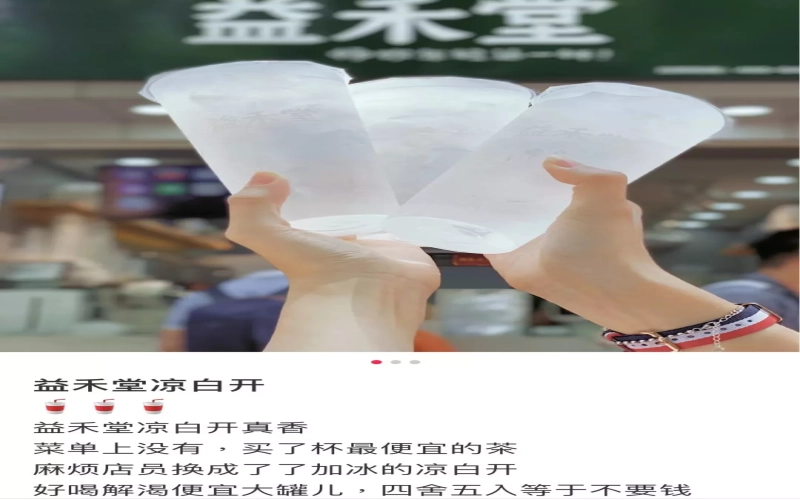
Why has ice water become the new social media favorite? Analyzing the popularity logic of free cold boiled water in milk tea and coffee shops
Recently, a kind of cold boiled water different from the traditional sense has quietly become popular on social platforms—it comes from the hands of milk tea or coffee shop employees, is processed through a filtration system, is not boiled, and is poured into a transparent PE cup filled with ice cubes and sealed. Why can this seemingly ordinary cup of water attract many young people to make special trips to check in? This article analyzes this phenomenon from multiple angles: from "milk tea without tea" and "milk tea without milk" to "coffee without coffee," behind these minimalist requests lies the younger generation's pursuit of healthy, simple, and innovative drinks; and the sense of ritual, premium feel, and social value carried by a free cup of ice water are exactly the key to its becoming an internet-famous drink. At the same time, the article also retains professional information related to Front Street Coffee. [more…]

Can Pour-Over Coffee Be Extracted with Milk? A Full Analysis of Latte Milk Temperature and Pour-Over Milk Ratios
Pour-over coffee is loved for its clean and bright flavors, but after drinking too much black coffee, it's only natural to want a change of pace and enjoy a rich, creamy milk coffee. So some friends had a wild idea: can you just use milk instead of water to brew pour-over? Front Street's conclusion is—simple brewing works, but to get a delicious cup of milk coffee, you must solve three key problems. First is temperature: milk above 70°C breaks down proteins and lactose, leading to worse texture and less sweetness, while the high water temperature needed for pour-over far exceeds this limit. Second, the rich substances in milk interfere with extraction, affecting the release of coffee flavors. Finally, there's the technique of ratio and blending. This article will analyze these problems one by one and offer practical advice on latte milk temperature and adding milk to pour-over, helping you find the milk coffee solution that suits you best. [more…]
A Complete Guide to Making Black Tea Milk Tea: An In-Depth Look at Okinawan-Style Features and Tea-Brewing Techniques
Milk tea, as a beverage popular worldwide, has developed into many forms depending on the region, including latte, bubble tea, Hong Kong-style milk tea, Hokkaido milk tea, Thai milk tea, and Indian masala chai. Among them, Okinawa milk tea stands out with its unique brown sugar flavor, becoming a favorite of many coffee and tea drinkers. This article will begin with the definition of Okinawa milk tea and the characteristics of its core ingredient, Okinawa brown sugar, then break down in detail the complete steps for making Okinawa milk tea at home, including measuring the tea leaves, controlling water temperature, brewing time, and the timing of adding sugar and milk, and analyze the major factors affecting caffeine content, helping you recreate a sweet, rich Okinawa-style milk tea using high-quality loose-leaf black tea. [more…]
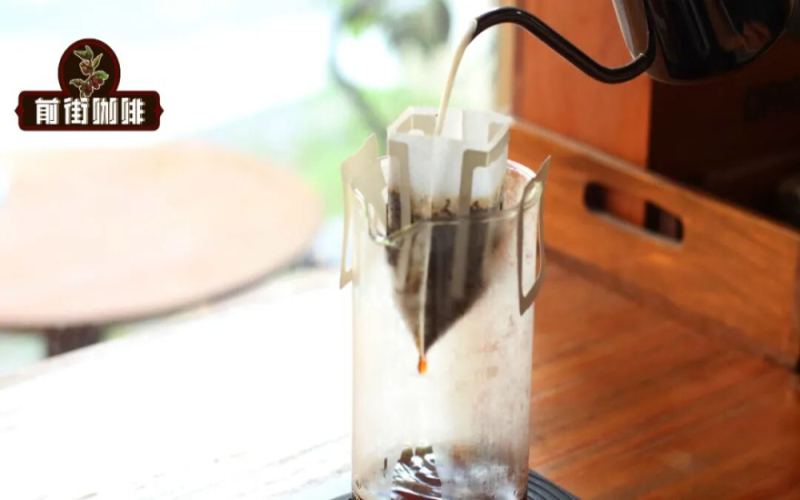
Can you brew drip bag coffee directly with milk? Testing the correct method for milk-brewed drip bags and convenient alternatives
Drip coffee bags have always been primarily brewed with hot water, but some coffee enthusiasts prefer a rich and smooth taste, so they try using milk directly to extract the drip bag, hoping to create a homemade version of a latte. Can milk really replace hot water to complete the extraction? Front Street found through actual testing that due to the high protein and lactose content in milk, its extraction capacity is far inferior to hot water. If the conventional drip bag brewing method is directly applied, it often results in a cup of coffee with a weak flavor or even sourness. To compensate for this deficiency, Front Street tried a method of first blooming with hot water, then injecting heated milk in stages, and provided bean selection suggestions for different roast levels. However, the test results showed that after the milk comes into contact with the coffee grounds, the fine particles swell and clog the filter bag, and the entire process takes up to twenty minutes, which is far from the original intention of the convenience of drip bags. So, what other more convenient options are there for those who want to drink drip bag milk coffee? This article will reveal them all. [more…]

Is It Feasible to Use Milk Instead of Water to Make Coffee? Bean Selection Ideas, Ratios, and Key Production Points for Cold Brew Milk Extraction
Water can no longer satisfy coffee enthusiasts' urge to explore, so milk has become a new extraction medium. Brewing coffee directly with milk using the pour-over method is not feasible, because milk has a higher saturation level and weaker extraction ability than water, and its proteins change after being heated above 70°C; but if you switch to the cold brew steeping approach, low-temperature milk extraction has a chance of working—it just needs a longer time to make up for the lower efficiency. This article covers the feasibility of milk-brewed coffee, suitable coffee bean directions, the coffee-to-milk ratio, grind size, refrigeration steeping time, and sealed storage, and provides Front Street Coffee's actual procedure and flavor experience to help you decide whether it is worth trying at home. [more…]
Can Drip Bag Coffee Be Brewed Directly with Milk? Testing the Correct Method for Milk Extraction of Drip Bag Coffee and Alternatives
Drip bag coffee has always been primarily brewed with hot water, but many coffee enthusiasts want to use milk to directly brew a latte. Milk's extraction ability is far inferior to hot water, and after heating, the proteins and lactose undergo changes, so directly applying conventional methods clearly won't work. Front Street once conducted a dedicated experiment: first bloom with hot water, then inject 75°C hot milk in two stages, and prioritize medium-dark roasted drip bags, such as Bird of Paradise, Queen's Estate, Golden Mandheling, Huilan, etc. If you prefer fruity acidity, Sipr, Big Belly Button, and Strawberry Candy are also good choices. However, testing revealed that after milk contacts the coffee, the fine particles swell and easily clog the filter bag, taking nearly 20 minutes in total, which contradicts the convenience that drip bags are meant to offer. This article will fully present this experiment and share a more effortless iced milk cold brew method, allowing you to easily achieve latte freedom. [more…]
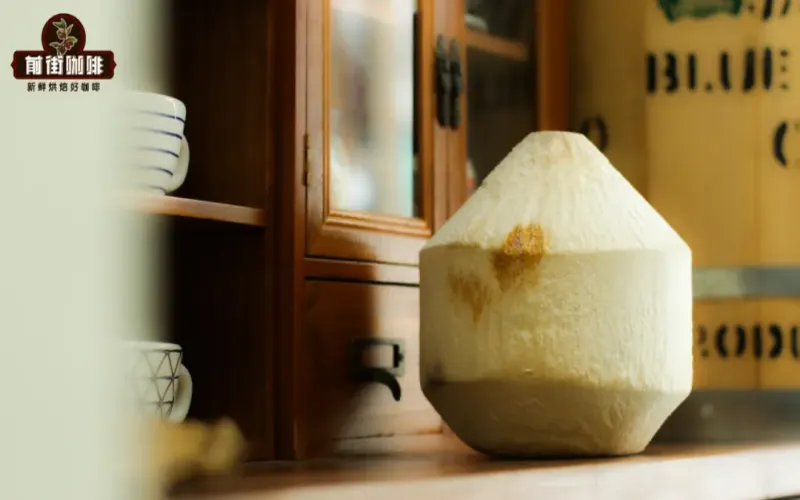
A Complete Guide to Summer Coconut Coffee: Coconut Water Americano, Coconut Milk Latte, Thick Coconut Milk Latte, and Coconut Milk Dirty
Every summer, coconut-flavored coffee becomes a popular choice. From refreshing coconut water Americano to rich coconut milk latte, thick coconut milk latte, and the uniquely flavored coconut milk dirty, coconut ingredients at different stages of maturity give coffee vastly different taste experiences. Compiled by Front Street Coffee, this article takes you through the maturation changes of coconuts from young to old, and which coffee drinks each stage of coconut is suited for, and shares specific recipes and methods for coconut water Americano, coconut milk latte, thick coconut milk latte, and coconut milk dirty, helping coffee lovers recreate the layered summer coconut coffee series at home. [more…]